Mehrnoosh is an Assistant Professor at the University of South Carolina in the Department of Physics and Astronomy. Previously, she was a Banting Fellow, sponsored by the Canadian government. As a Banting Fellow, she chose Stanford University, where she also held a Kavli Institute for Particle Astrophysics and Cosmology (KIPAC) fellowship. Mehrnoosh previously held a research associate position (Covington Fellow) at the Dominion Radio Astrophysical Observatory with the National Research Council Canada (NRC-Herzberg).

Research & Publications

Mehrnoosh's research explores the magnetic universe through observations, theory, simulations, and instrumentation, from mapping 3D interstellar magnetic fields to probing fundamental physics. For a complete list of publications, see the full ADS library or Google Scholar.

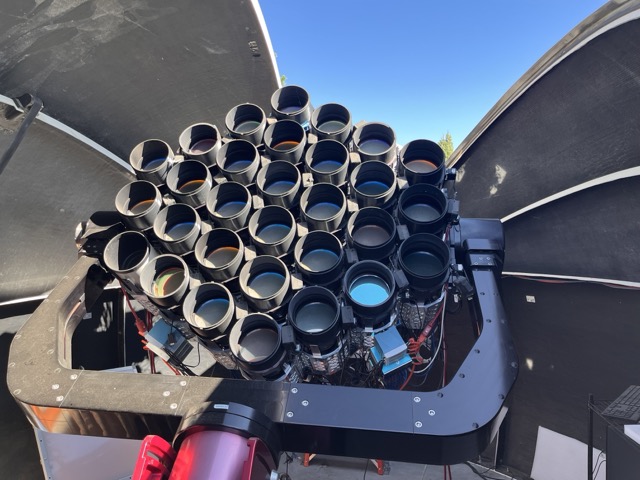
Dragonfly Telephoto Array

Optical Polarimetry

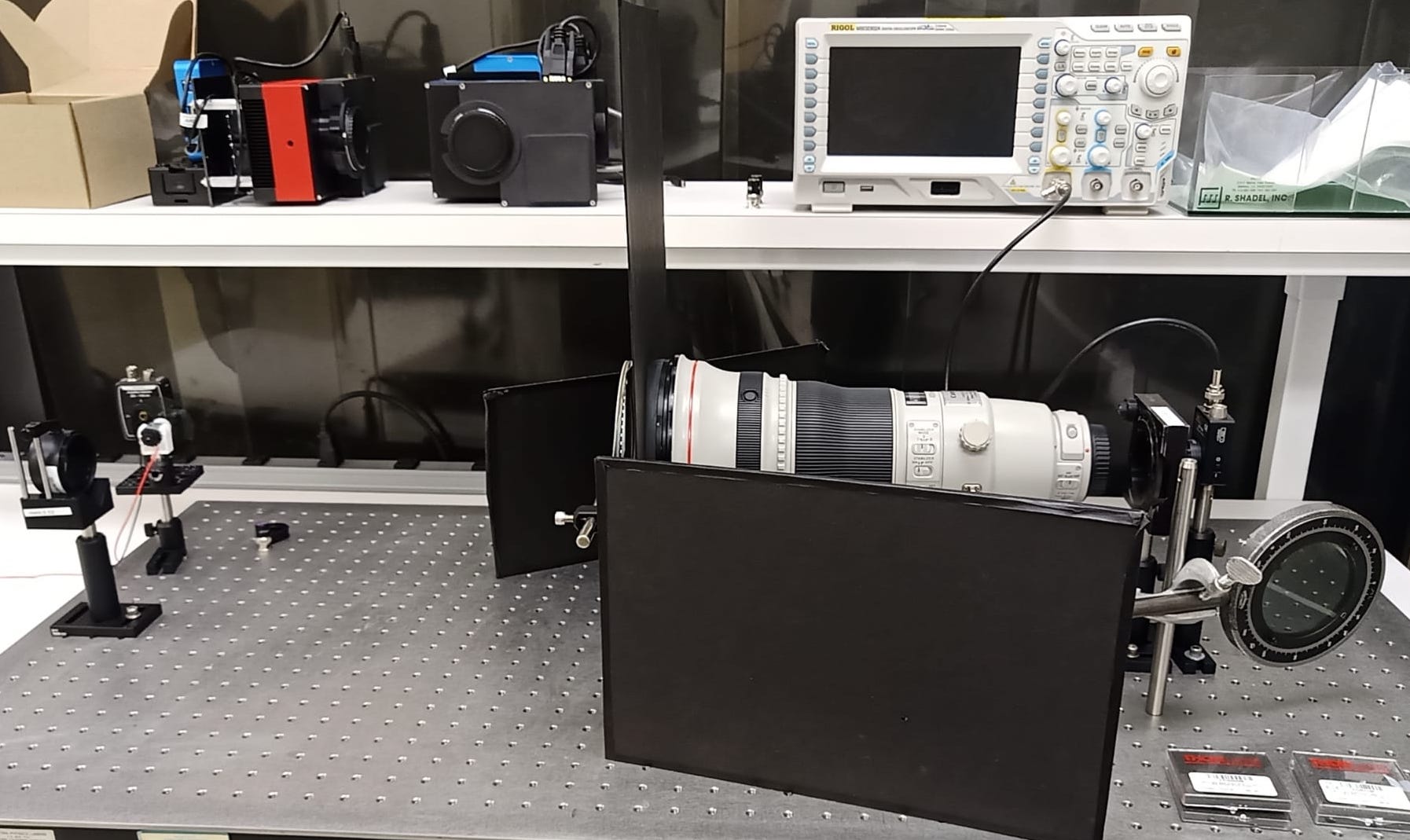
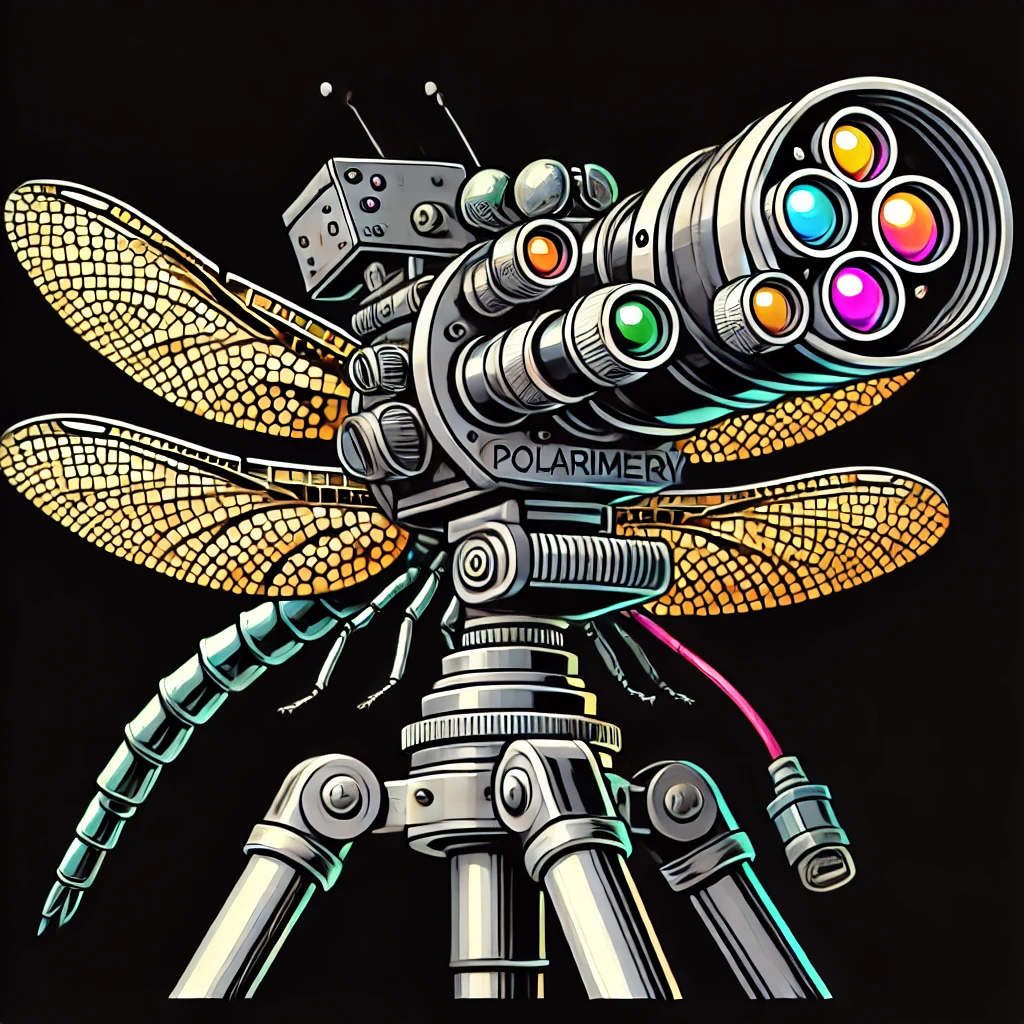
Leads DragonflyPol, a wide-field full-Stokes optical polarimetry upgrade on the Dragonfly Telephoto Array, which has nearly completed its year-long observing campaign mapping magnetic fields in the low-surface-brightness universe.

View papers →
MC-BLOS technique diagram

Radio Astronomy

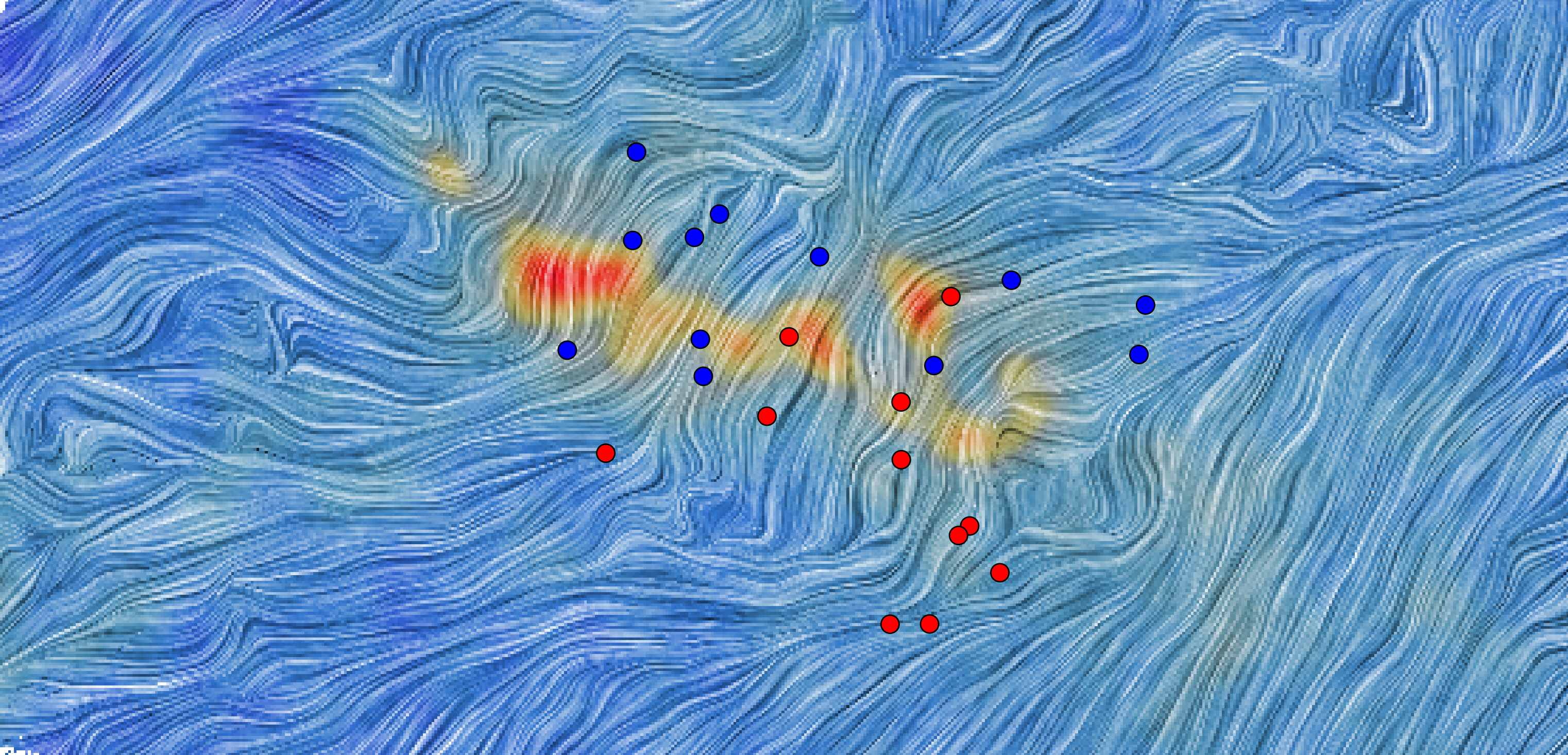
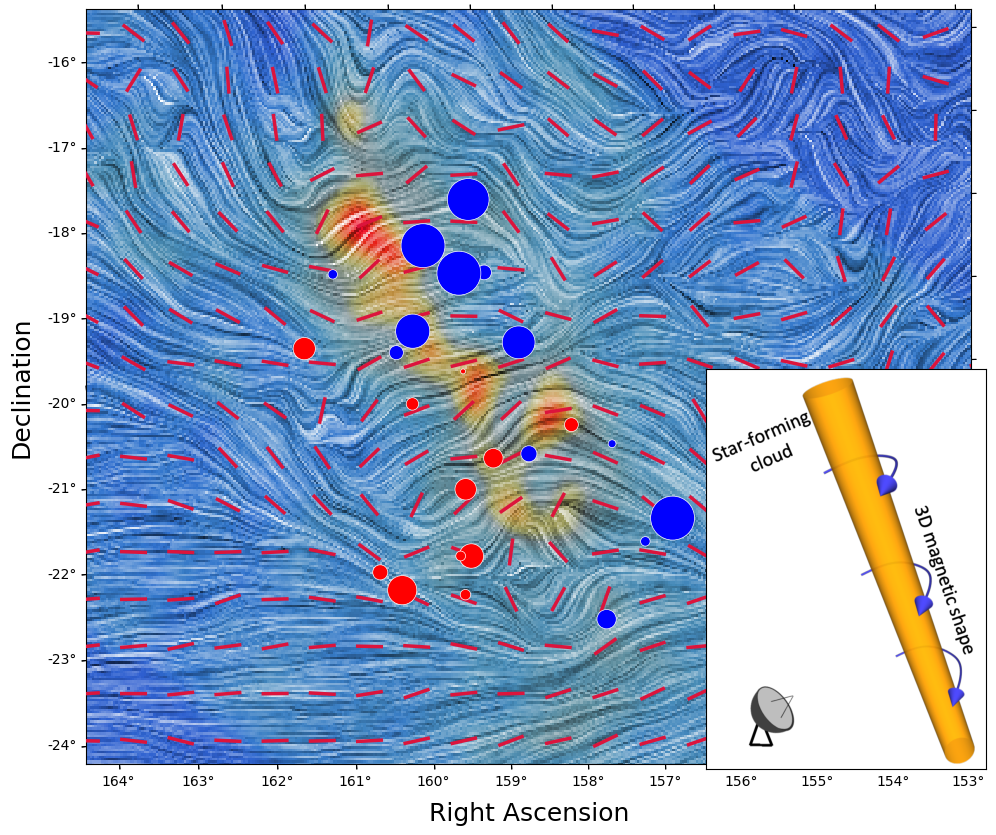
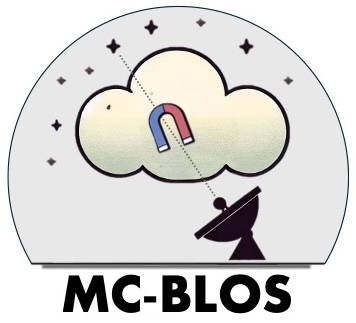
Pioneered the MC-BLOS technique, using Faraday rotation of background sources to map line-of-sight magnetic fields in molecular clouds, a regime previously thought inaccessible. Led over 200 hours of observing time as PI with the VLA, MeerKAT, and FAST.

View papers →
NGC 6334 magnetic field observations

Far-Infrared Astronomy

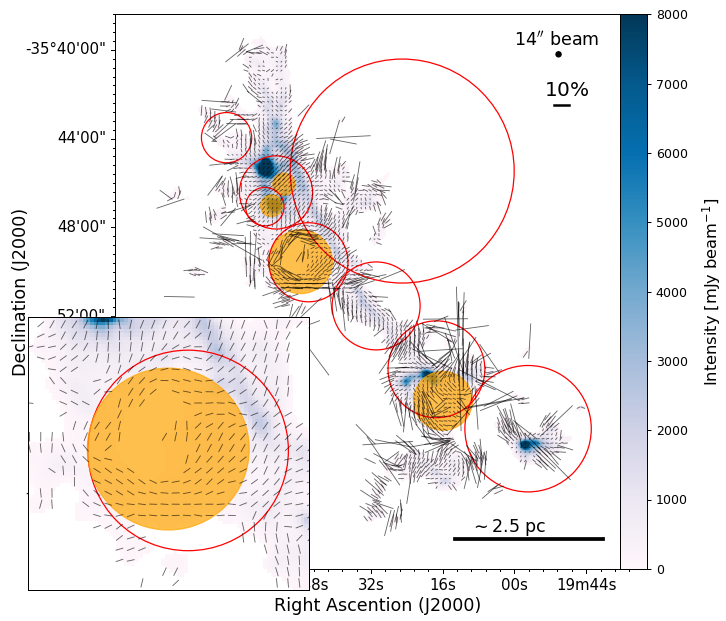
Studies molecular clouds through dust polarization, particularly with the James Clerk Maxwell Telescope as part of the BISTRO collaboration and with future Fred Young Submillimeter Telescope within the CCAT-Prime collaboration.

View papers →
DragonflyPol logo

Instrumentation

Developed and deployed DragonflyPol, full-Stokes polarimetry for the Dragonfly Telephoto Array, in collaboration with the Dragonfly team and Prof. Leo Hollberg at Stanford.

View papers →
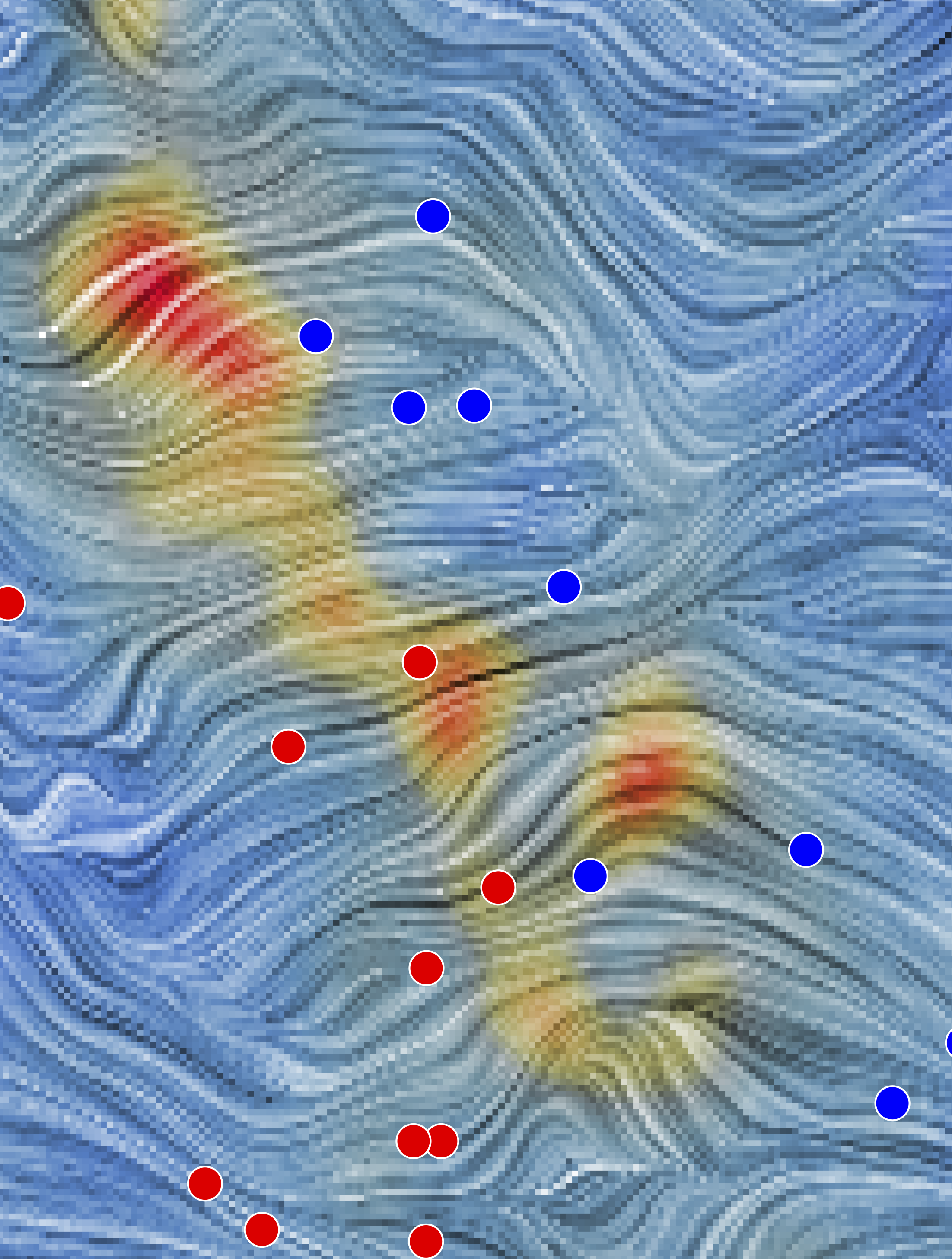
3D magnetic field vectors of Perseus

Modeling & Simulations

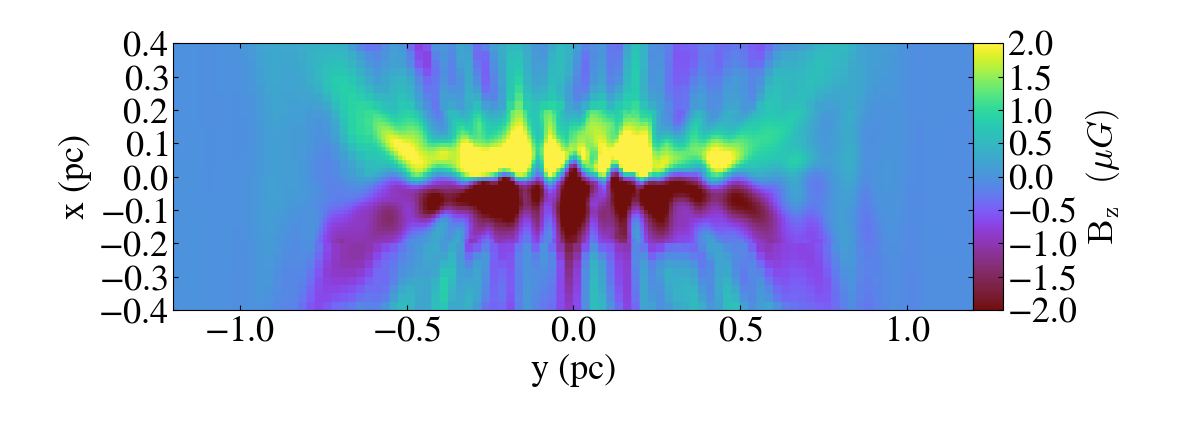
Uses observations, modeling, and analytical calculations to reconstruct 3D magnetic field vectors of interstellar clouds, and performed FLASH MHD simulations (PhD thesis) to test the robustness of the inferred field structures.

View papers →
Axion-photon coupling diagram

Fundamental Physics

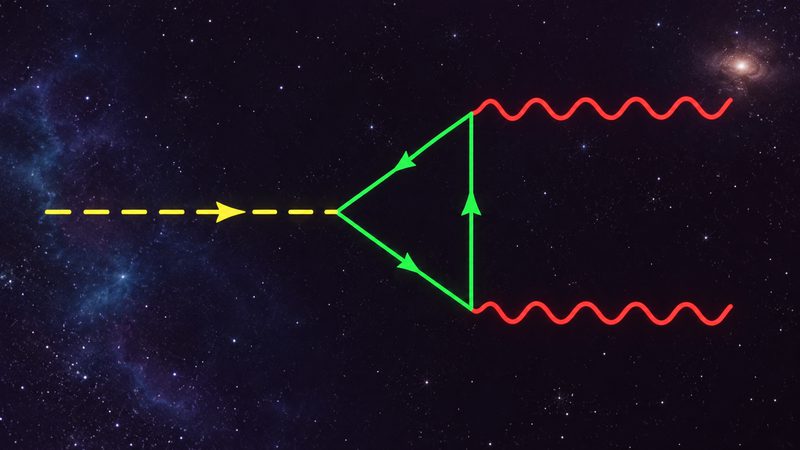
With a background in particle physics before transitioning to astronomy in 2015, aims to explore fundamental physics through precision polarimetry, including potential signatures of axion-photon coupling.

View papers →

Software

MC-BLOS For Next-Generation Radio Observations

Mehrnoosh's group developed the MC-BLOS software to automatically determine line-of-sight magnetic fields (Blos) of molecular clouds using the MC-BLOS technique. The software is open-source and available on GitHub, and is designed for next-generation radio observations, including those from the Square Kilometre Array (SKA).

BLOSMapping

The BLOSMapping software complements MC-BLOS by offering more flexibility in selecting OFF points. It serves as an earlier version of our current tools. BLOSMapping is accessible through the Astrophysics Source Code Library and GitHub.

Postdocs & Students

Mehrnoosh has had the privilege of mentoring a number of students and researchers.

Current:

Akshaya Subbanna, Postdoctoral Fellow, University of South Carolina, USA
Timothy Van Ryn, REU student, University of South Carolina & Embry-Riddle Aeronautical University, USA
Carlson Perrenoud, Postgraduate student, University of South Carolina, USA
Aden Harrington, Undergraduate student, University of South Carolina, USA
Sawyer Redd, Undergraduate student, University of South Carolina, USA
Douglas Bignault, Postgraduate student, University of South Carolina, USA
Reagan Stanton, Undergraduate student, University of South Carolina, USA
Vishwa Koshene Gamage, Graduate student, University of South Carolina, USA
Paras Regmi, Graduate student, University of South Carolina, USA
Khwaish Billore, Undergraduate student, Stanford University, USA
Mohammad Reza Nasirzadeh, research assistant
Haleh Hajizadeh, PhD student, University of Calgary, Canada
Minjie Lei, PhD candidate, Stanford University, USA

Alumni:

Fyza Parviz Jazra, research assistant (cultural astronomy), Stanford University, USA
Anthony Nunez, Undergraduate student, Stanford University, USA
Carlos Rodriguez, undergraduate student, Stanford University, USA
Charles Feng Yang, PhD rotation student, Stanford University, USA
Gabriel Munoz Zarazua, Undergraduate student, California State University, USA; Now graduate student at Cal State University
Gabriel Munoz Zarazua, Undergraduate student, California-Bridge program, Stanford University, USA
George Halal, PhD candidate, Stanford University, USA
Gisselle Jimenez, Undergraduate student, California-Bridge program, USA
Hsin-Yu Chen, Undergraduate student, National Taiwan University, Taiwan
Jennifer Glover, co-op student, National Research Council Canada, DRAO, Canada; Now MSc student at McGill University
John Ming Ngo, co-op student, National Research Council Canada, DRAO, Canada; Now MSc student at the University of Alberta
Lucas Bayouri, MSc intern student, Nagoya University, Japan
Matthew Bouchard, Undergraduate student, University of Calgary, Canada
Patrick Tupoumalohi, Undergraduate student, Stanford University, USA
Ryan Anthony Clairmont, Undergraduate student, Stanford University, USA
Violet Zhou, undergraduate student, Stanford, USA
Wednesday Lupypciw, co-op student, National Research Council Canada, DRAO, Canada
Teaching & Outreach

Teaching

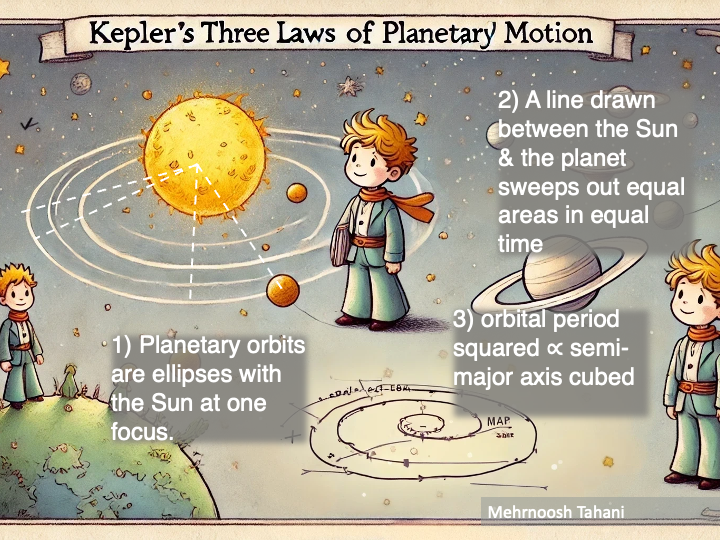
Mehrnoosh has received teaching awards, most notably from the Taylor Institute for Teaching and Learning at the University of Calgary, and has taught across 16 courses at multiple universities including USC, teaching in English and Farsi/Persian. Course materials are available upon request (with attribution) — slides from a lecture are available here.

Outreach

Contact

Email: mtahani[at]mailbox.sc.edu

Excited about sharing scientific ideas, Mehrnoosh has given more than 100 invited and contributed talks, colloquia, and seminars. For research inquiries or to use presentation materials (with attribution), please reach out.